Reacting to Our Own Pain
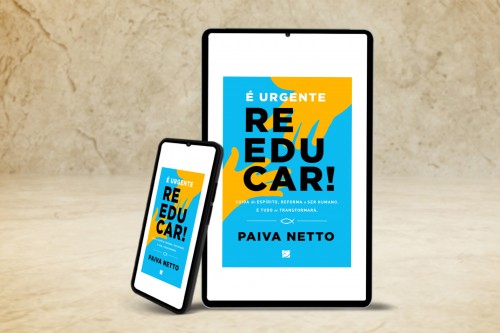
In my book É Urgente Reeducar! [It Is Urgent to Reeducate!] (2010), I wrote: Today, more than ever, with the technological progress being made in the areas of communication (smartphones, the Internet, etc.), even a sick person can comfort someone who is suffering thousands of miles away. In the current times, everybody can do something to help others. Let us not lose our good ideals, because they are decisive at any age. You are the one who decides whether you are old or young, despite the hard circumstances you find yourself in, whether they are temporary or permanent. In my long life dedicated to the spiritual and social causes of the Religion of the Third Millennium and of the Legion of Good Will (LGW), I have witnessed unparalleled examples of people who, due to their own poor state of health, might have considered themselves no longer obliged to help, even with just a kind word, other creatures who were also in need of attention. But many people have been surprisingly supported by those from whom nothing more could be expected (in human terms), since they are also suffering awful afflictions. And after receiving such unexpected help, they find themselves reacting to their own misfortune, often discovering reasons for facing up to their battles with determination—something they thought they had long since lost.

As I always and cordially recommend, anyone who wants to ease their own pain should help those who are suffering.

The comments do not represent the views of this site and are the sole responsibility of their authors. It denied the inclusion of inappropriate materials that violate the moral, good customs, and/or the rights of others. Learn more at Frequently asked questions.