Adoption Rhymes with Affection
In Brazil, the month of May brings a special connection between Mother’s Day (always celebrated on the second Sunday of the month) and National Adoption Day (May 25). The sacred gift of motherhood—also expressed through the beautiful act of adoption—must share love and affection in an equally inclusive way.


Mônica Natale de Camargo
This important topic was addressed on Boa Vontade TV [Good Will TV], during the Sociedade Solidária [Solidary Society] program. On that occasion, sociologist and host Daniel Guimarães interviewed Mônica Natale de Camargo from the São Paulo Adoption Support Group (GAASP).
Changing the Culture
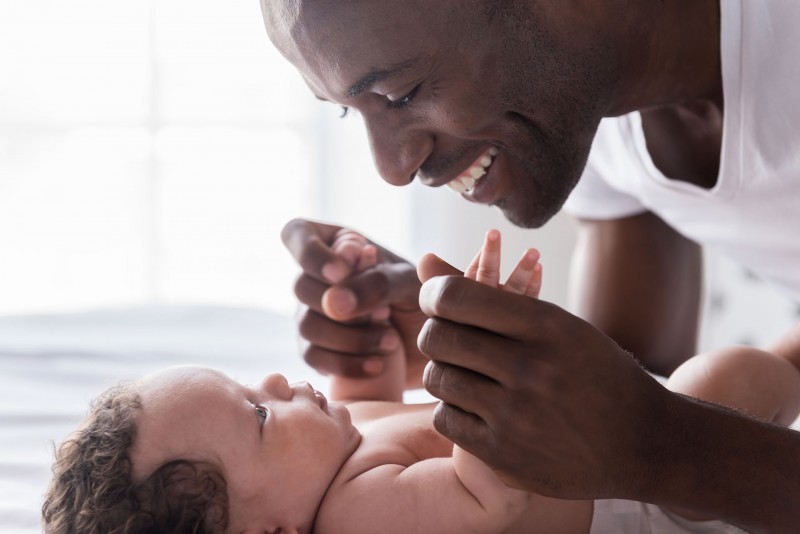
Estimates show that for every child waiting to be adopted, there are six couples or individuals willing to adopt. Mônica Natale explains: “We still have a culture shaped by specific expectations. What do most prospective adoptive parents look for? They usually want younger children—babies, white, or of the same ethnicity. But the children available for adoption are often older, part of sibling groups, or have disabilities. So what must be done? We need to change the culture surrounding adoption in Brazil. Future parents need to understand the reality of the country and begin to look at these children with compassion, shifting their focus from the idea of the ‘ideal child’ to embracing the ‘possible child.’”
Far from Prejudice
A deep sense of humanity must dwell in people’s hearts, leaving no room for prejudice. Mônica Natale points out what can be done: “First, we need greater awareness about what adoption truly means—understanding what it is to adopt and what it means to have a child in your life. That understanding is crucial! The culture around adoption must change—and yes, through TV programs like this one, where such needs are discussed openly.”
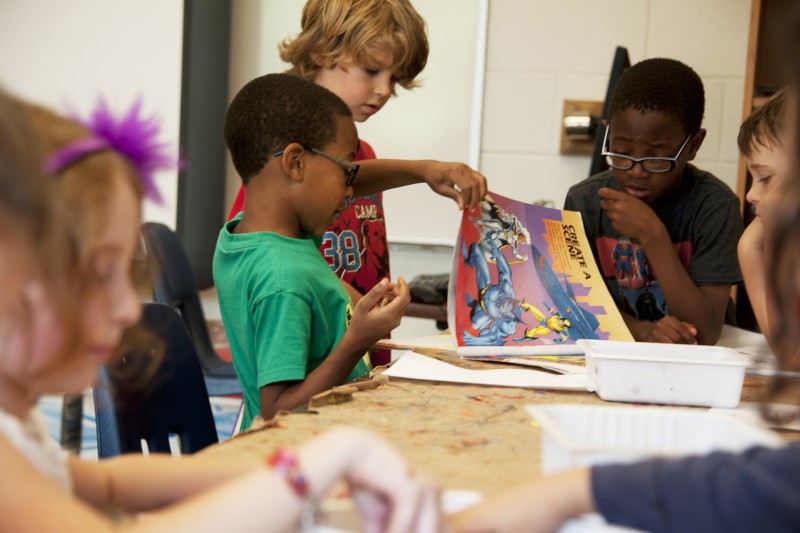
This subject certainly deserves closer attention from everyone, whether through public policy or civil society. Every child has the basic right to a family that protects, loves, and respects them.
Remove the Glass!
On May 27, we commemorate 35 years since two major events of the Legion of Good Will took place in Brazil’s capital. On that occasion, in addition to inaugurating the first annex (administrative headquarters) of the Ecumenical Complex, I led the ceremony of launching of the Temple of Good Will’s Fundamental Stone.
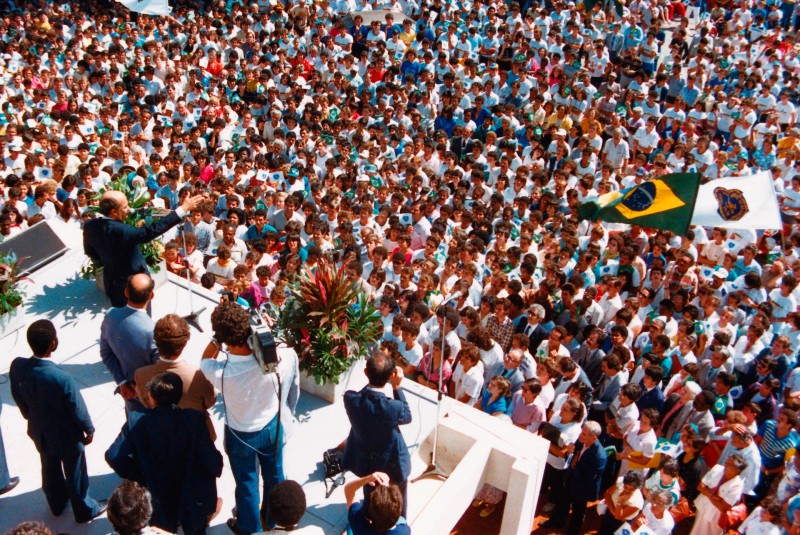
The LGW’s leader speaks from the entrance overhang of the first building in the Temple of Good Will Complex, inaugurated on May 27, 1986, to a crowd that overflowed the venue.
Just before the ceremony began, an unexpected situation taught us all a meaningful lesson. I was on the second floor of the LGW’s administrative building with my children and, as I looked out over the courtyard—overflowing with people—I saw that the stage had been set too low. So I decided: You know what? I’ll speak from up here, on the entrance overhang. I asked: Can this overhang hold our weight? They said yes, but added: “How will you get over there? There’s a glass panel blocking the way!” Well then, if the glass is in the way, remove the glass!—I told them. And so they did, allowing me to speak to the crowd from above.
At that moment, recalling Moses and Alziro Zarur (1914–1979), I emphasized that the Temple of Divine Ecumenism, the Temple of Peace, was being established to foster the internalization of good and elevated values. After all, one cannot share anything truly useful if they have nothing to offer. It is a matter of nurturing spiritual content so it can take root within us and be shared with those around us.
In the face of life’s challenges, never give up on Goodness! Trust in Jesus and . . . remove the glass!
The comments do not represent the views of this site and are the sole responsibility of their authors. It denied the inclusion of inappropriate materials that violate the moral, good customs, and/or the rights of others. Learn more at Frequently asked questions.